CPH:DOX 2026 The Winners

The juries have deliberated and the winners of the international competitions at CPH:DOX 2026 have been announced this evening at the festival’s Award Show at CPH:DOX’ Social Cinema, Kunsthal Charlottenborg. See all the winners here!

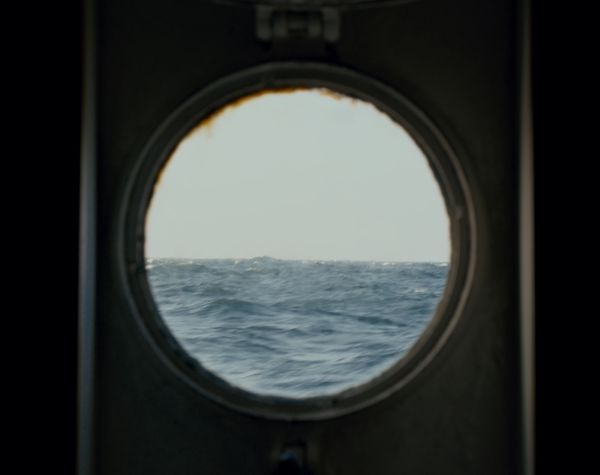
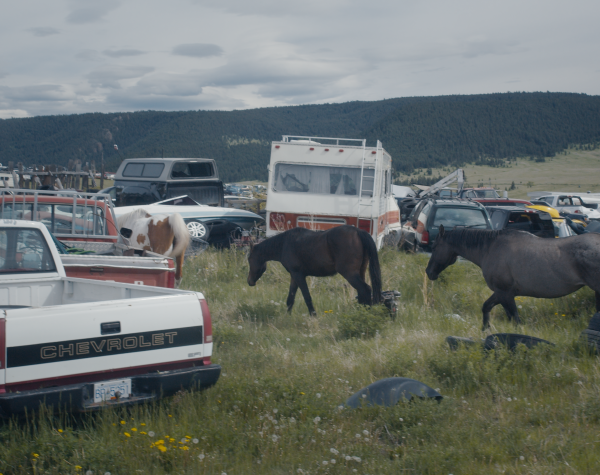
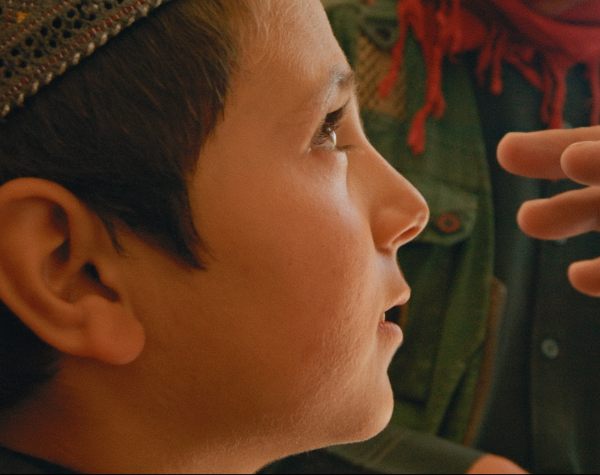
The international competition lineup included a total of 74 films, hand-picked from thousands of submissions from around the world, featuring 53 world premieres, 17 international premieres, and 4 European premieres. The main prize, the DOX:AWARD, was awarded to ‘Whispers in May’ by Dongnan Chen.

Besides the festival’s main prize, the DOX:AWARD, prizes have been awarded in the categories F:ACT Competition, NEXT:WAVE Competition, NORDIC:DOX Competition, HUMAN:RIGHTS Competition, NEW:VISION Competition and INTER:ACTIVE Competition.

DOX:AWARD – Winner

Sponsored by Politiken

Whispers in May

Whispers in May

Dongnan Chen / Hong Kong, Netherlands, Republic of Korea (South Korea) & Sweden / 2026 / World Premiere

Saturday, 21st Mar 2026 21:30DFI / Cinemateket

Sunday, 22nd Mar 2026 16:15Empire Bio

Tuesday, 24th Mar 2026 21:00Empire Bio

DOX:AWARD – Special Mention

Sponsored by Politiken

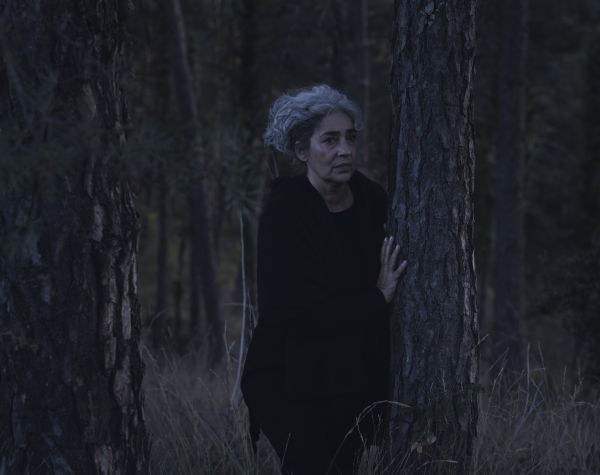
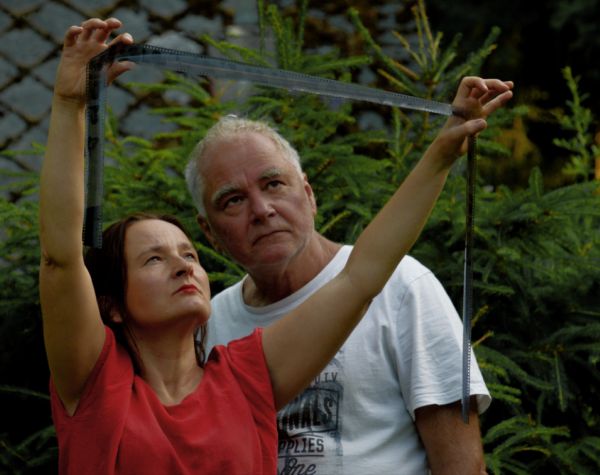
The Cord

The Cord

Nolwenn Hervé / France / 2026 / World Premiere

Sunday, 22nd Mar 2026 21:00Empire Bio

NEW:VISION – Winner

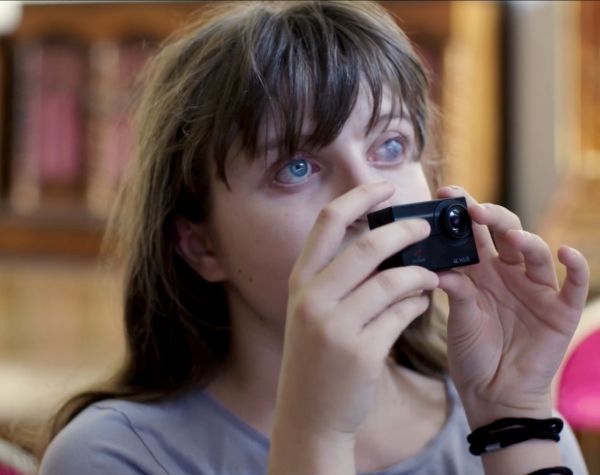
Compact Disc

Compact Disc

Rico Wong / Hong Kong & United Kingdom / 2026 / World Premiere

NEW:VISION – Special Mention

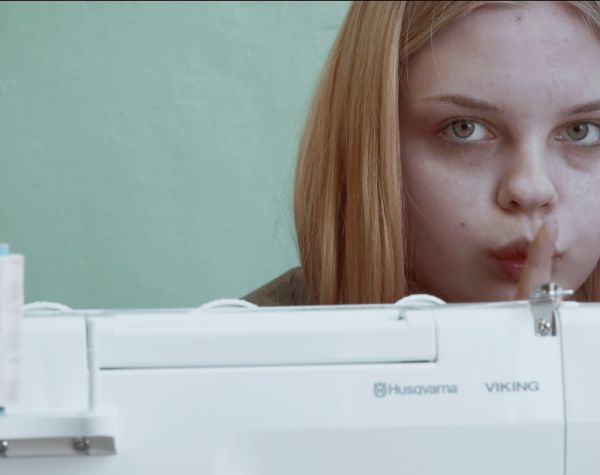
Local Sensations

Local Sensations

Tulapop Saenjaroen / Thailand / 2026 / European Premiere

F:ACT – Winner

Supported by IMS and the Danish Union of Journalists

Just Look Up

Just Look Up

Emma Wall & Betsy Hershey / United States & Denmark / 2026 / World Premiere

F.ACT – Special Mention

Supported by IMS and the Danish Union of Journalists

The Great Experiment

The Great Experiment

Stephen Maing & Eric Daniel Metzgar / United States & Mexico / 2026 / International Premiere

Sunday, 22nd Mar 2026 20:30Park Bio

NEXT:WAVE – Winner

Dream of Another Summer

Dream of Another Summer

Irene Bartolomé / Spain & Lebanon / 2026 / World Premiere

NEXT:WAVE – Special mention

This is Not a French Film

This is Not a French Film

Tom Adjibi / Belgium & France / 2026 / World Premiere

Sunday, 22nd Mar 2026 15:15Kunsthal Charlottenborg

HUMAN:RIGHTS – Winner

Sponsored by the Danish Institute for Human Rights

The Phantom Pain of Rojava

The Phantom Pain of Rojava

Maryam Embrahimi / Sweden & Norway / 2026 / World Premiere

Sunday, 22nd Mar 2026 13:00Kunsthal Charlottenborg

HUMAN:RIGHTS – Special Mention

Sponsored by the Danish Institute for Human Rights

American Doctor

American Doctor

Poh Si Teng / United States, Palestine, Malaysia & Denmark / 2026 / International Premiere

NORDIC:DOX – Winner

The Secret Reading Club of Kabul

The Secret Reading Club of Kabul

Shakiba Adil & Elina Hirvonen / Finland & Norway / 2026 / World Premiere

Saturday, 21st Mar 2026 15:30Kunsthal Charlottenborg

Monday, 23rd Mar 2026 16:30Empire Bio

NORDIC:DOX – Special Mention

Homesick

Homesick

Taekyung Tanja In Wol Sørensen / Denmark, Republic of Korea (South Korea) & Finland / 2026 / World Premiere

Saturday, 21st Mar 2026 19:00Gloria Biograf

Sunday, 22nd Mar 2026 14:30Empire Bio

Wednesday, 25th Mar 2026 14:00Grand Teatret

Wednesday, 25th Mar 2026 21:15DFI / Cinemateket

Thursday, 26th Mar 2026 17:00Empire Bio

FIPRESCI – Winner

Amazomania

Presented by the International Federation of Film Critics

Amazomania (PHOTO)

Nathan Grossman / Sweden, Denmark & France / 2026 / World Premiere

Monday, 23rd Mar 2026 21:00Empire Bio

Tuesday, 24th Mar 2026 19:15DFI / Cinemateket

Wednesday, 25th Mar 2026 17:00Empire Bio

INTER:ACTIVE – Winner

Inside: The Childhood of an Artist

Inside: The Childhood of an Artist

Sacha Wares / United Kingdom / 2025 / International Premiere

INTER:ACTIVE – Special Mention

Dark Rooms

Dark Rooms

Mads Damsbo & Laurits Flensted-Jensen / Denmark, Germany & Taiwan / 2025 / Danish Premiere

CPH:DOX Jury Statements

DOX:AWARD
‘The jury would firstly like to thank CPH:DOX for gathering us to view, discuss and debate a group of films that transported us around the world through varied cinematic languages. To the filmmakers, it has been an honor and a privilege to explore your art.

Giving room for a decent birth as a metaphor for resistance in a bodily form, this emerging voice captivated us with its humanity, tenacity and empathy. The jury would like to acknowledge this filmmaker-to-watch with an honorable mention.

Congratulations to Nolwenn Herve for her unforgettable debut, The Cord.

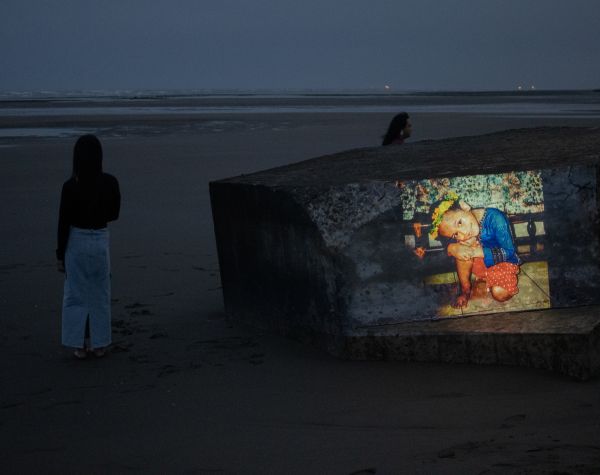
That said, we had to choose one film as this year’s CPH:DOX Award winner. Telling mythical stories about hidden worlds is a gift. Giving breadth and depth to quotidian moments is a talent. Weaving cinematic forms while allowing reality to resonate is captivating. Ultimately, we were charmed by a young girl’s journey. Walking over the edge of the last days of childhood, this director has succeeded in sharing a modern-day fairytale that heeds monsters and factories, alike.

Congratulations to Dongnan Chen for her Whispers in May. (PHOTO).

FIPRESCI AWARD
‘We would like to recognise a film that brings a contemporary and thought provoking perspective on an intrusive culture clash. It is a story of the loss of innocence, the complex colonial legacy of the human gaze, and the devastating impact of capitalism. In times inundated with images, the film shows the potential of revisiting, reexamining and hopefully, relearning. We are proud to present the Fipresci award to Nathan Grossman’s Amazomania.’

INTER:ACTIVE AWARD

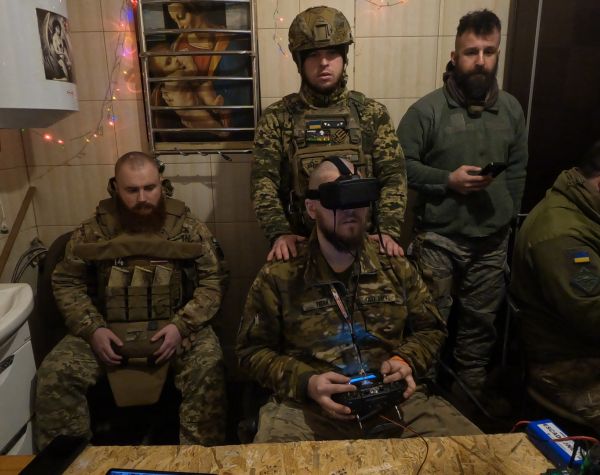
‘The winner of CPH:DOX – INTER:ACTIVE Exhibition 2026 is ‘Inside: The Childhood of an Artist’ by Sacha Wares

The jury finds ‘Inside: The Childhood of an Artist’ to be a powerful work that demonstrates how VR can evoke a deeply human experience—leaving the viewer with a lingering sense of reflection long after the headset is removed. The simplicity of its imagery—almost naïve in tone—echoes the fragility of childhood memory, while gradually allowing an idyllic atmosphere to take on subtle undertones of unease. What begins as a gentle recollection evolves into a narrative shaped by loss and possible betrayal.

As spectators, we are first placed in a chair. A warm membrane carrying subtle scents is wrapped around our neck like a comforting cloth before the VR headset and headphones are gently applied. Only then does the full experience begin. Inside: The Childhood of an Artist is an 18-minute immersive work that unfolds over the course of a single night, inviting the audience to inhabit a child’s perspective during a moment when the adult world suddenly becomes unstable. Through scent, sound, and a carefully restrained visual language, the work constructs a sensory environment that feels both intimate and authentic. In its final gesture, the experience moves beyond the VR environment to incorporate an artwork created by Judith Scott. This shift grounds the immersive experience in a tangible reality, bringing together memory, artistic expression, and documentary sensibility.

Sacha Wares worked with Joyce Scott, the sister of Judith Scott. Judith was abruptly and suddenly taken away from home, taken away to an institution because she was deaf and had downs syndrome. 35 years later, Joyce reconnects with Judith, helping her develop a vibrant artist career at the Creative Growth Art Center in Oakland, CA. Judith became a world known artist after that. The VR experience is sensory, crafted and poetic, letting us experience a fragile memory from the day Judith was taken away.

Honorable Mention – Jury Statement

Dart Room · ‘Dark Rooms’ by Mads Damsbo & Laurits Flensted Jensen

Dark Rooms invites audiences into an exploration of sexual awakening through real stories, where boundaries are challenged and taboos brought into the open. With courage and precision, the work confronts shame and prejudice, opening a space for reflection on desire, identity, and personal liberation. The result is a boundary-pushing and confrontational experience that expands both the possibilities of VR and our understanding of how intimate stories can be shared and experienced. With Dark Rooms, a new standard is set for what VR can achieve as an artistic and narrative medium. The work is both technically impressive and artistically ambitious in the way it uses virtual space to create a deeply intimate experience breaking boundaries in a gentle and respectful way.’

NORDIC:DOX
‘Through great precision and resilience the director creates an echo chamber where the voices of silenced children can circulate freely. The special mention goes to Homesick, by Taekyung Tanja In Wol Sørensen

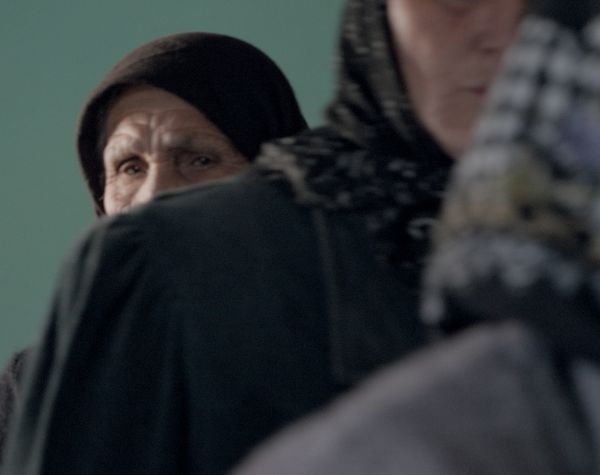
This film exposes the brutal dismantling of women’s rights under an authoritarian regime. In doing so, it affirms the power of documentary cinema to make injustice visible and the voice of the oppressed heard. We are grateful for this piercing call coming from Afghan homes turned prisons. We hear you. You are not forgotten.

The NORDIC:DOX Award goes to The Secret Reading Club of Kabul, by Shakiba Adil & Elina Hirvonen.’

HUMAN:RIGHTS
‘We the jury would like to begin by highlighting a special mention for a film from our section. The filmmaker shows an urgent account of a human rights violation that is still unfolding in front of our eyes. With its attention to the systematic killing of medical professionals and children in Gaza and its depiction of the lasting effects on those who work to ease the suffering of the victims. The special mention goes to Poh Si Teng for American Doctor.

The winner in the human rights competition is a film that lyrically portrays the bond that exists between a group of brave, predominantly women fighters who find ways to see the beauty in the evolving companionship that grew from their struggle. And while their human rights continue to be threatened by new developments in modern warfare, the director achieves the perfect balance between their continued precariousness and their ongoing model of dignity and dedication to their cause. The filmmaker weaves together the current fights for not only the land, but also for the women who inhabit the land. So, in the spirit of the film – women, life, freedom and the award goes to Maryam Embrahimi for ‘The phantom pain of Rojava.

NEXT:WAVE
‘We would like to give a Special Mention to a film that kept surprising us from beginning to end with its playful form and charming narrative, unfolding in the intersection of fiction and documentary. This film highlights the complexity of identity and representation in a completely disarming and humerous manner, as a courageously clumsy filmmaker gathers a collective of friends and colleagues in an effort to confront their experience of racialization within the Belgian film industry.

The special mention goes to “This is not a French Film” by Tom Adjibi.

The Next:Wave Award goes to a film that, through a rigorous formal approach and a conscious gaze, immerses us in a suspended space where the scars of the past, the awareness of the present, and the dreams of the future brush against one another. The city of Beirut is the epicenter of this meditative journey, but the film transcends the local and becomes an existential reflection on the fragility of the human condition.

The Next:wave Award goes to “Dream of Another Summer” by Irene Bartholomé.’

NEW:VISION
‘A genuinely surprising and beautifully crafted cinematic essay on how to avoid becoming a
shrine. Shot on black-and-white 16mm and mixed together with digital footage and animation, the film reimagines the monument as something fluid and unfixed. An architectural film without buildings, it delves into and interconnects diverse poetic instances of Thai society while posing questions like: “What if a monument could question history rather than consecrate it?”

The special mention goes to LOCAL SENSATIONS, by Tulapop Saenjaroen

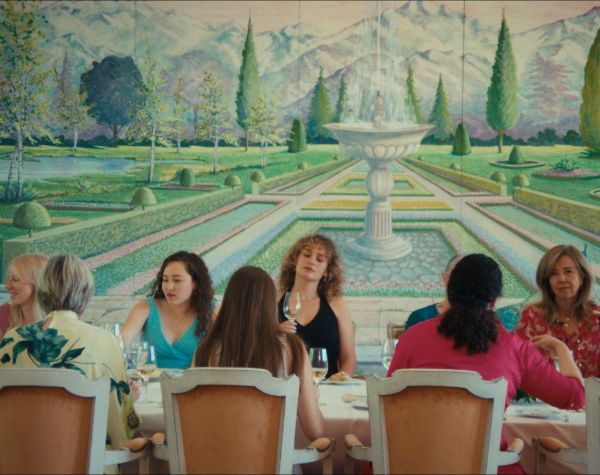
The film is a deeply moving intimate portrayal of a group of young friends who come together to revisit their involvement in the recent protests. The film utilizes a range of low-fi technologies to collectively reassemble their fragmented memories. Interrogation footage of their imprisonment is played from a compact disc on their laptop and refilmed by a handheld camera; the closeup camera lingers on their bodies – retelling the skin as a map with its own markings. Shot in close, dark spaces, the film turns its blurry images back on its subjects: mirroring, animating, layering – finding in the act of recollection not just a record of what was endured but a way of carrying it forward together. Among the film’s many qualities are its experimental use of lowtech pixelated media and genuine storytelling that allow for a range of emotions to surface without glossing over or drawing cathartic closure to an all too recent event and its present resonances.

The NEW:VISION award goes to COMPACT DISC, by Rico Wong’

F:ACT AWARD
‘A special mention in the Fact Award goes to a remarkable artistic work capturing a historic
turning point in the political landscape, affecting all of us. With cinematic precision and emotional depth, the film lays bare the profound divides within American society, becoming an essential witness – not only of this moment, but of the future it will inevitably shape.
The special mention goes to THE GREAT EXPERIMENT, by Stephen Maing & Eric Daniel Metzgar.

A film about a subject that couldn’t be more urgent and important, but is often overlooked. It manages to be funny, uplifting and even hopeful. We are honoured to give the award to the film for its well-crafted, beautifully observed story about a group of young people trying to save the world from self-inflicted destruction.
The FACT Award goes to JUST LOOK UP, by Emma Wall & Betsy Hershey.’

Change 2026 AT CPH:DOX

The photo is from the 2025 edition of the Change but yesterday’s session took place in the same cinema hall in the Film House of Copenhagen and there was a full house with the same set up and Christian Popp doing a good job as moderator. 10 minutes per project, 7 for the presentation, 3 for question(s) from Popp and answers from the filmmakers. Good supporting atmosphere from the audience that included producers, distributors, sales agents and film consultants like me. First some introductory words copy-pasted from the CPH:DOX catalogue and then an introduction to the projects with some impressions from me.

“CPH:DOX, EAVE and IMS are proud to announce the fifth round of the CHANGE programme, empowering documentary film projects from the Eastern Partnership (EaP) countries Armenia, Azerbaijan, Belarus, Georgia, Moldova, and Ukraine.

For the 2025/2026 edition, eight teams joined the co-production training workshop series. The programme consisted of three residential workshops and a presentation of the projects in the framework of CPH:FORUM 2026.

Offered is a tailor-made programme taking place over three residential workshops with the aim to stimulate and qualify inter-regional co-production and to connect documentary projects to regional and international markets. Participants are tutored by regional and international experts.

The first two workshops will consist of five full days of group work, plenaries, and individual meetings; the third workshop will take place CPH:DOX and consists of workshop days, pitching of the projects in the framework of CPH:FORUM as well as debrief of the pitching and development of strategies for the teams and projects after the workshop.

Between the workshops, participants will be working on project development with specific tasks and assignments.”

Voilá – a full bodied programme, well thought and presented.

THE PROJECTS PRESENTED YESTERDAY:

10 THINGS [WT]

10 THINGS [WT]

I’m Niniko, an aspiring comedian dreaming of London. My cousin Kakha, Georgia’s beloved actor, refuses to leave. Political turmoil awakens our shared trauma: my dream becomes escape while he fights in the streets – our relationship caught between love, resentment, and survival.

A VERY LIVELY PRESENTATION FULL OF HUMOUR AND WITH THE FRENCH CONNECTION IT MUST HAVE CHANCES INTERNATIONALLY.

Niniko Lekishvili / Ana Kvichidze, Irina Gelashvili & Estelle Robin You / Radium Films / Grande Ourse Films / Georgia & France

3 DAUGHTERS

3 DAUGHTERS

When her mother dies, Anghelina loses the voice that defined what it meant to be a good woman. Caught between her mother’s faith and duty and her daughter’s life as an artist, she must decide which values endure and which end with her.

THE DIRECTOR AND PRODUCER – SAME PERSON – WAS ALONE ON STAGE, DID AN EXCELLENT PRESENTATION OF A PROJECT THAT COULD END UP BEING A CLASSICAL HUMANISTIC DOCUMENTARY ABOUT LIFE.

Ana Gherciu / Ana Gherciu / Narrativa Studio / Sud-Est Media / Moldova

LIFE ON MARS

LIFE ON MARS

Everyday, miners dig deep into the Earth’s crust, extracting minerals, destroying nature – while in a parallel reality cosmic dust invades human minds, astronauts appear in Armenia’s desert-like landscapes, and the land itself begins to transform into Mars.

IT LOOKED GOOD, THE SOUND WAS IMPRESSIVE BUT I DID NOT GET HOLD OF WHAT THEY WANT TO SAY. SORRY.

Mery Aghakhanyan / Karina Simonyan / Edgar Baghdasaryan Film Production / Armenia

MY HOME

MY HOME

At 86, Vali prepares for the final journey of his life to see his former home and his family’s graves, even though his family opposes the trip and the border remains closed.

I AM A BIT BIASED WITH THIS PROJECT THAT I MET LAST YEAR IN BAKU. THERE IS A FASCINATING STORY TO BE TOLD, MAKING US KNOW MORE ABOUT THE TRAGIC CONFLICT BETWEEN ARMENIA AND AZERBAIJAN. THE OLD MAN IS WONDERFUL. THE TWO ALSO HAVE ANOTHER TRAILER WITH ARCHIVE MATERIAL THAT GIVES US BACKGROUND.

Ulviyya Ahmadova / Nijat Dadashov / Cineart Group / Azerbaijan

MY SCHOOL IS SEIZED

MY SCHOOL IS SEIZED

Pavlo (18) escapes Russian occupation and, with a teacher and imprisoned collaborators, exposes a school system designed to groom children for war. Pavlo’s mission is not over until his brother Ivan (10) is out – before propaganda claims him for good.

IMPORTANT. WILL BE MADE I AM SURE. CONVINCING PRESENTATION.

Halyna Lavrinets / Oleksandr Ivanov / Babylon’13 / Ukraine

SOUNDS OF REVOLUTION

SOUNDS OF REVOLUTION

Under the shadow of autocracy, the city whispers and roars. An unexpected act elevates an unknown woman into the face of the protest. SOUNDS OF REVOLUTION is a symphony of resistance, where Georgia’s people rise together – but the triumph of collective demands sacrifice.

I KNOW NIKO FROM SEVERAL VISITS TO TBILISI AND I KNOW THE COURAGEOUS DEMONSTRATIONS GEORGIANS ARE PERFORMING. HE IS LOOKING FOR THE WAY TO TELL THE STORY BUT HE HAS THE MATERIAL NEEDED. GOOD LUCK!

Nikoloz Bezhanishvili / Nikoloz Bezhanishvili & Victor Ede / NIKADOCFILM / Cinephage / Georgia & France

TOTAL MESS

TOTAL MESS

Following young Ukrainians pulled into the wartime shadow economy, the film immerses us in their inner worlds as fast money turns into addiction. Bound together in a fragile community, they must face the question: what will their escape truly cost?

POWERFUL YOUNG PRESENTATION – LAST PRESENTATION STRONGLY APPLAUDED. LOOKING FORWARD TO SEE HOW IT DEVELOPS. THERE IS SOME CRAZINESS IN THAT PROJECT.

Oleksandra Horiienko / Kateryna Yahodka & Alex Shiriaieff / 2Brave Productions & EuroArctic Media Group / Ukraine & Sweden

UXXR: IS THERE SEX AFTER THE USSR?

UXXR: IS THERE SEX AFTER THE USSR?

In a world where women are taught to run or endure, Zara, a fearless human rights defender, launches a rehabilitation program for abusers, where she confronts the source of violence, after years of managing its aftermath.

WANT TO USE ANIMATION. MAYBE IT IS A GOOD IDEA. STRONG CHARISMATIC PRESENTATION.

Lilit Movsisyan / Sona Margaryan / Motif Films / Armenia

Poh Si Teng: American Doctor

Let me give you an impression of the beginning of the film: Reportage images of an ambulance that has stopped at a hospital, victims of bombing are being brought into the hospital, people standing outside with their mobile phone cameras. Cut to a doctor in America, Perlmutter, we will know his name and story later, he sits with his computer and wants to show a photo, he took, to the female filmmaker Poh Si Teng. Her reaction is “I will blur them to protect their dignity”. The doctor reacts strongly, “I have the families permission to show the photo”, it is Israel that took away the dignity of the dead children. Through the genocide they perform. It is my and your responsibility to tell the truth. The director films the photo without blurring and we see the dead children on a row. In between the two other protagonists are introduced briefly and there are CNN clips with people that question, what they are doing and showing. And in between there are images of rubble landscapes that look like Berlin 1945…

Perfect start of a film that is well made, shifting from the hospital, where the doctors (literally) operate, to their homes in America. You get total sympathy for the doctors, and for the way they collaborate with the local staff. You understand how important it is to have a good atmosphere when you deal with death and consequences of a war.

I quote the informational text from the CPH:DOX catalogue:

“When three American doctors – Palestinian, Jewish and Zoroastrian – enter Gaza to save lives, they find themselves caught between medicine and politics, risking everything to expose the truth.

Three doctors with vastly different backgrounds and personalities meet in this intense story about the war in Gaza. The three doctors are united by their common desire to help and save lives. American-Pakistani Dr. Feroze Sidhwa is balanced and strategic, in contrast to American-Jewish Dr. Mark Perlmutter, who wears his heart on his sleeve and gets carried away during a live TV interview in which the two are participating. 

The third party is American-Palestinian Dr. Thaer Ahmad, who, with his strategic understanding of the media, enters the debate about Gaza, but makes the medical profession and the need for help his message. In a race against time, impossible circumstances and their own homeland, director Poh Si Teng follows the three doctors’ struggles at a hospital in Gaza to save as many lives as possible. A struggle that also confronts the United States’ own role in the ongoing war that threatens the lives and future of the Palestinian people.”

United StatesPalestineMalaysia & Denmark, 90 mins.

❤️ ❤️ ❤️ ❤️❤️

CPH:DOX 2026 – Opening Speech

By Katrine Kiilgaard, Managing director & Niklas Engstrøm, Artistic director (PHOTO: the directors on stage).

This year’s opening film, MARIINKA, is a powerful example of what documentary cinema can do at its very best: it takes us beyond the headlines and allows us to encounter the people who live under the conditions those headlines represent. It can make us feel the world and grasp the immense complexity of reality. A reality that is almost always wilder and stranger than the simplifications and binary oppositions dominating the increasingly algorithmic media landscape – with war perhaps being the ultimate example of such simplification: us or them.

When a documentary like MARIINKA is able to do this, it is first and foremost because it takes its time.

Pieter-Jan De Pue began this film shortly after the war in eastern Ukraine broke out in 2014. He has spent nine years on this story. Nine years following the lives of the people who lived in the town of Mariinka, until it was completely destroyed during Russia’s full-scale invasion in 2022. Nine years finding and building relationships with the people at the heart of the film.

When you allow yourself that kind of time, you also give yourself the opportunity to create a sense of presence in another world. That time, and that presence, are among the things that make documentary film such a singular art form.

That does not mean documentary films cannot also be many other things. Quite the opposite. Since the festival began in 2003, we have worked to expand the space of possibility for what documentary cinema is – and what it can be. Again this year, you will find all kinds of films at CPH:DOX: personal confession, poetic imagery, journalistic sharpness, activist fire, essayistic reflection, experimental playfulness, performative force, and quiet observation – a wealth of forms that together show the genre’s boundless strength and freedom.

Each film has its own gaze – more or less nuanced, driven by the filmmakers’ personal commitment, their anger, their curiosity, or their hope. Some zoom in on the most intimate; others zoom out to the global. Some seek answers; others go on asking questions without end.

But all of them have a place here. Together, they do not form a single unison song, but a polyphonic chorus – at once harmonious and discordant, provocative and conciliatory. Voices which, taken together, make the case we as a festival want to put forward: that reality is infinitely complex. The truth may be difficult to grasp, but we become wiser by listening to the many different ways of approaching it.

That is why we devote so much energy to presenting the films in context. That is why we organise hundreds of debates, talks, and events in which the films are contextualised, analysed, discussed, and challenged.

For us at CPH:DOX, this is about bringing together people with very different perceptions of reality and giving them the opportunity – hopefully – to become just a little wiser about one another.

It is about cultivating dialogue, even when it is difficult.

About creating a space in which we can have conversations about all that we share, but also about all that divides us. And all that cannot simply be brushed aside.

It is through those conversations that we, as a festival, can truly help documentary cinema attain social significance and become a vital contribution to our democracy. Without silencing any voice.

This will be especially important over the next two weeks, as this year’s festival runs in parallel with the election campaign leading up to the general election on 24 March. Honestly, it is hard to imagine a better prelude to casting your vote than going to the cinema, becoming wiser about the world, and allowing yourself to be challenged by perspectives other than your own.

Why do we spend so much time speaking about this? Is it not simply self-evident that pluralism should define a festival like CPH:DOX?

The answer is no.

Increasingly, cultural institutions around the world are being asked to exclude certain voices, declare their loyalties, and fall into line – so that polyphony gives way to uniformity. This pressure can come from many directions, but it is, of course, most troubling when it comes from the political sphere.

We see this, for example, in Berlin, where one of the world’s largest film festivals has, in recent weeks, come close to unravelling. Following the awards ceremony in February, during which several winners used the stage to criticise Israel’s actions in Gaza and Germany’s role in them, a wave of political backlash was set in motion.

The German government called an emergency meeting, which has now resulted in a series of clear recommendations that the festival establish a political advisory board to guide it on so-called “politically sensitive” issues. It is hard not to see this as an attempt to undermine the public policy principle of arm’s-length – and that is a deeply dangerous path to go down.

At the same time, a brand-new survey from Dansk Kulturliv (the Danish cultural sector’s joint advocacy alliance representing over 1,100 institutions and organisations) shows that Danish cultural institutions, too, are increasingly facing expectations as to which voices should be given space – and that in some cases this is even leading to self-censorship.

When considerations like these begin to creep in, there is every reason to remain vigilant.

The arm’s-length principle is not just a detail. It is the precondition for art to remain free, critical, and polyphonic – and for cultural institutions to remain open and curious in relation to the world around them. That is why it is absolutely crucial that we hold fast to it – locally, nationally, and across the political spectrum. Because without it, culture risks losing precisely the space in which difficult conversations can take place. And the reason we dare to invite the Minister of Culture into the room tonight is that – however many kind words may be exchanged between him and us – neither he nor any other politician interferes in which films are shown at this festival. Let it stay that way.

By now, it should be clear that CPH:DOX functions as a prism: a place where the light of hundreds of filmmakers is gathered and refracted into a rich spectrum of perspectives on the world.

Each year, we shift that prism slightly, and in 2026 we have turned it towards a world in violent transformation – with a double focus: 

Outwardly, we look at the reshaping of the international world order and what it means for human rights. 

Inwardly, we look at the reshaping of the inner world order and what it means for the human brain.

On the one hand, we see an international community where might increasingly trumps right. In which the strong do what they can, and the weak suffer what they must, as the Greek historian Thucydides put it two and a half thousand years ago, and as, tragically, it sounds once again with chilling relevance.

What happens to human rights, to international law, and to the principles meant to protect us against the arbitrariness of power when the world as we know it begins to fracture? That is the question we ask, together with Kunsthal Charlottenborg, Human Rights Watch, IMS, and the Frececo and Dreyers foundations, in our major thematic programme RIGHT HERE, RIGHT NOW.

On the other hand, we turn our gaze inward. For our inner world order, too, is shifting. With support from the Lundbeck Foundation, we are therefore launching an entirely new research-based film programme, BRAINWAVES, focusing on the human brain from a biological, cultural, and societal perspective – at precisely the moment when algorithms, artificial intelligence, and neurotechnology are challenging our understanding of what it means to think, to feel, and to be human.

One of the researchers visiting the festival in this context is the neurologist Nicholas Wright. He has not only conducted research into human intelligence and artificial intelligence — he has also advised the Pentagon, because his primary field is the relationship between the human brain and that all-too-human phenomenon: war. 

At this year’s festival, we ask the same question that Wright poses in his latest book, Warhead: 

How does the brain behave in war? And what does war do to the brain?

And so we return to tonight’s film.

For MARIINKA is, above all, a film about what war does to people. To families. To relationships. To lives that cross front lines and are never the same again.

A film like this could not exist without a filmmaker with a truly exceptional eye — and Pieter-Jan De Pue has precisely that. But nor could it have come into being without collaboration across Europe: institutions and partners who have made it possible for the artist’s talent and patience to unfold over nearly a decade. These are the kinds of films — and the kinds of collaborations — the world needs. And that is why we have supported the project all the way: from its early stages, when it was first pitched at our financing forum, to tonight, when it will, for the very first time, meet the eyes of an audience: yours.

After the film, Danmarks Radio’s Ukraine correspondent, Matilde Kimer, will join us on stage to lead a conversation with the director himself, as well as — importantly — one of the film’s main protagonists, Natasha Borodynia, and the film’s Ukrainian line producer, Anna Konik. So please do stay in your seats when the credits begin to roll in an hour and a half.

Enjoy the world premiere of MARIINKA.

Latvia: Award winners Lielais Kristaps 2026

I have copied from a press release:

“On Sunday, March 1, the National Film Award “Lielais Kristaps” ceremony took place at the Riga Congress Hall, honoring the best Latvian films and outstanding film professionals of the past year, as well as presenting special awards. A total of 25 awards were presented at the ceremony, along with three special awards and the Lifetime Achievement Award, which was received by Uldis Jānis Veispals — an outstanding stunt performer and one of the pioneers of professional stunt work in Latvia and the Baltics…

The National Film Award Lielais Kristaps is organized by the Latvian Filmmakers Union in cooperation with the National Film Centre of Latvia and the Ministry of Culture, with support from Riga City Council, the LMT Group, and Hannu Pro, in collaboration with the Riga Congress Hall, the National Archives of Latvia, Cinevera, Valmiermuiža, Wellton Hotels, Mārtiņš Bakery, Alkoutlet, and Illy. Media partners include LTV, LSM, Santa, Radio SWH, SWH TV, Kino Raksti, Kurzemes Radio, LETA, and the magazine IR.

The nominees of the National Film Award were evaluated by an international jury — Ilka Matila (Finland), Zane Valeniece (Latvia), Marge Liske (Estonia), Juris Poškus (Latvia), Guna Zariņa (Latvia), and Marija Razgute (Lithuania), representing extensive professional experience in film production, directing, distribution, media management, and international cooperation…”.

In a previous post on this blog I had a focus on the documentaries nominated – https://filmkommentaren.dk/lielais-kristaps-latvian-national-film-awards-2025/

… and I wrote short notes on those, who now have been awarded:

“Art Born in Agony,” dir. Elizabete Gricmane, Ramunė Rakauskaitė, prod. Uldis Cekulis, VFS Films, co-prod. Arūnas Matelis, Studio Nominum (Lithuania). Juris Kulakovs, national legend, composer and musician is followed closely by the young director Elizabete Gricmane in playful sequences. Charismatic he is Kulakovs, who passed away in 2024. PHOTO.

“All Birds Sing Beautifully”, dir. Krista Burāne, prod. Ilze Celmiņa, Paula Jansone, “VFS Films”. I saw it today and I will use the same word, playful, entertaining and thoughtful as this quote says (Letterboxd): “In the beginning there was the forest. Then came the live performance, and then the film. The yellow wagtail, Eurasian skylark, white-backed woodpecker, corncrake and hazel grouse have not only gotten their voices back, but have taken on human form — clad in elegant tailcoats and bearing names — to recount ancient tales…” Beautiful singing, great cinematography of all the birds.

And I complained that Laila Pakalnina’s “Scarecrow” was not nominated as Best Documentary Film BUT the film got two awards, anyway, these two: Paulius Kilbauskas, Vygintas Kisevičius (Scarecrows / Putnubiedēkļi) (Best Composer) and Māris Maskalāns (Scarecrows / Putnubiedēkļi) (Best Documentary Cinematography).

Here is the list of all winners:

Best Film
Red Code Blue / Tumšzilais evaņģēlijs (dir. Oskars Rupenheits, prod. Sintija Andersone, KEF Studija; co-prod. Roberts Vinovskis, Vino Films; co-prod. Antra Cilinska, Jura Podnieka Studija)

Best Feature Film
Escape Net / Tīklā. TTT leģendas dzimšana (dir. Dzintars Dreibergs, prod. Dzintars Dreibergs, Marta Romanova-Jēkabsone, Arta Ģiga, Inga Praņevska, Ilona Bičevska, Kultfilma)

Best Feature Documentary
All Birds Sing Beautifully / Visi putni skaisti dzied (dir. Krista Burāne, prod. Ilze Celmiņa, Paula Jansone, VFS Films)

Best Short Film
Slush / Žļurga (dir. Aivars Šaicāns, Jēkabs Okonovs, prod. Elza Siliņa, Daiga Livčāne, LKA National Film School; co-prod. Pilna)

Best Series
The Collective / Kolektīvs (Season 2), (dir. Juris Kursietis, Rūdolfs Gediņš, Ance Strazda, Artūrs Zeps, Roberts Kuļenko, Jānis Ābele; prod. Māris Lagzdiņš, Lelde Troska, Fon Films; co-prod. Latvijas Mobilais Telefons)

Best Minority Co-production
Solo Mama / Solomamma, (dir. Janicke Askevold; prod. Gary Cranner, Rebekka Rognøy, Magnus Nygaard Albertsen, Magne Lyngner, Bacon Pictures (Norway); co-prod. Inese Boka-Grūbe, Gints Grūbe, Mistrus Media (Latvia); co-prod. Viktorija Rimkute, Gabija Siurbytė, Dansu Films (Lithuania); co-prod. Jani Pösö, It’s Alive Films (Finland))

Best Debut Film
The Rider’s Voice / Jātnieka balss (dir. Iveta Auniņa, prod. Sandijs Semjonovs, Iveta Auniņa, Nora Luīze Semjonova, SKUBA Films)

Best Student Film
My First Funeral / Manas pirmās bēres (dir. Līva Klepere, prod. Grēta Grebže, Elza Siliņa, LKA National Film School)

Best Screenwriters
Ivo Briedis, Raitis Ābele, Lauris Ābele, Harijs Grundmanis (Dog of God / Dieva suns)

Best Director (Feature Film)
Oskars Rupenheits (Red Code Blue / Tumšzilais evaņģēlijs)

Best Cinematographer (Feature Film)
Mārtiņš Jurevics (Lotus)

Best Actress in a Leading Role
Agnese Budovska (Escape Net / Tīklā. TTT leģendas dzimšana)

Best Actor in a Leading Role
Raitis Stūrmanis (Red Code Blue / Tumšzilais evaņģēlijs)

Best Supporting Actress
Leonarda Ķestere (Flesh, Blood, Even a Heart / Nospiedumi)

Best Supporting Actor
Gatis Maliks (Flesh, Blood, Even a Heart / Nospiedumi)

Best Production Designer
Toms Jansons (Red Code Blue / Tumšzilais evaņģēlijs)

Best Costume Designer
Sandra Sila (Escape Net / Tīklā. TTT leģendas dzimšana)

Best Makeup Artist
Elīna Gaugere (Red Code Blue / Tumšzilais evaņģēlijs)

Best Documentary Director
Elizabete Gricmane, Ramune Rakauskaite (Art Born in Agony / Mākslas darbi rodas mokās)

Best Documentary Cinematographer
Māris Maskalāns (Scarecrows / Putnubiedēkļi)

Best Animation Directors
Raitis Ābele, Lauris Ābele (Dog of God / Dieva suns)

Best Animation Artist
Harijs Grundmanis (Dog of God / Dieva suns)

Best Composer
Paulius Kilbauskas, Vygintas Kisevičius (Scarecrows / Putnubiedēkļi)

Best Sound Director
Aleksandrs Vaicahovskis (Escape Net / Tīklā. TTT leģendas dzimšana)

Best Editor
Armands Začs (Flesh, Blood, Even a Heart / Nospiedumi)

CPH:DOX What I Hope to See

A FOX UNDER A PINK MOON

Over five years, young Soraya documents her repeated attempts to flee Iran for Europe with her mobile phone. I have seen several films made by Mehrdad Oskouei, remember especially “Starless Dreams” from 2016, this new one won IDFA 2025.

Mehrdad Oskouei & Soraya / IranTürkiye & Greece / 2025

A SONG WITHOUT HOME (PHOTO)

After 11 years locked up in her family home, Adelina flees from a Georgian village to Vienna in the hope of finding the freedom to be herself. But even in exile, the chains of the past prove difficult to break free from. All documentaries coming from Georgia I have to see.

Rati Tsiteladze / Georgia & United States / 2026 / World Premiere

AN EYE FOR AN EYE

An Iranian woman sentenced to death for killing her abusive husband fights for her life in a nerve-racking courtroom thriller about life, death and the very real price of forgiveness. Reading “Iranwire” every week, I have to see what this is.

Tanaz Eshaghian & Farzad Jafari / United StatesIran & Denmark / 2025

COLLAPSE

Shortly after 7 October 2023, an Israeli filmmaker returns to her destroyed kibbutz and documents life along the fence to Gaza. An essayistic testimony about war and loss. Browsed back in this site because I remember having written about a previous film by the director, and I think I have met her when I was in Israel many years ago. Very good filmmaker. And the subject…

Anat Even / France / 2026

CONSTRUCTION SITE

Star architect Renzo Piano’s project to renovate a cinema in the heart of Paris becomes a fascinating study in reconciling artistic vision and practical realities. Renzo Piano, the man behind my favourite cultural “home”, the Pompidou Centre…

Jean-Stéphane Bron / France & Switzerland / 2025

MARIINKA

Young Ukrainians from the frontline town of Mariinka face a decade of war that divides their families and derails their fates. An epic and visionary masterpiece filmed over 10 years. Opening film, shot on film over quite a long time… exciting!

Pieter-Jan De Pue / Belgium / 2026 / World Premiere

MERCKX – RACE OF A CHAMPION

Eddy Merckx is the greatest cyclist of all time. The Belgian legend has won everything there is to win. An elegant portrait of an invincible champion through thick and thin. A sport idiot I am!

Christophe Hermans & Boris Tilquin / Belgium / 2025

KENNY DALGLISH

A captivating portrait of legendary Liverpool player Sir Kenny Dalglish, told by the man himself, and directed by the Oscar-winning filmmaker behind ‘Amy’ and ‘Maradona’. Read the review and on “Athletic” about Sir Kenny and his family. And loved the director’s previous portrait films.

Asif Kapadia / United Kingdom / 2025

MUSEUM

A French school class from the provinces goes on a trip to the Centre Pompidou in Paris in a film that explores what art and culture mean – and to whom. I expect wonderful comments and observations from the kids!

Olivier Bienaimé & Hervé Bienaimé /

THE PATRIARCH

Danish film producer Peter Aalbæk is a self-proclaimed patriarch. Now his daughters are sending him to therapy—but can he really change? A loving, funny, and merciless portrait of a threatened species. Local… Aalbæk is never boring and his ego is higher than the Eiffel Tower. Must be funny.

Andrea Storm Henriksen / Denmark / 2026 / World Premiere

THE SETTLERS

Fourteen years ago, Louis Theroux visited the Westbank, following a group of ultra Zionists, infringing on international law by building their homes in Palestinian territory. Now, Theroux is back in the Westbank, in a post October 7th world. I think this is a must!

Joshua Baker / United Kingdom / 2025

WHILE THE GREEN GRASS GROWS: A DIARY IN SEVEN PARTS

Peter Mettler’s visionary new film. Epic in scope, yet generous and intimate – a unique experience unparalleled in modern cinema. Mettler is an outstanding essayistic director, I am afraid – it is veery long – I have to get a screener to sit with it at home

Peter Mettler / Switzerland & Canada / 2025

YUGO GOES TO AMERICA

Three young friends from Belgrade drive from New York to Los Angeles in a Yugo – a cult relic of a car from the 1980s. A docu-comedy and a road trip with many unexpected encounters. Belgrade is close to my heart after 20 years at the Magnificent 7 Festival and I know the Yugo…

Filip Grujić & Aleksa Borković / Serbia & Croatia / 2026 / World Premiere

Kristina Mikhailova: River Dreams

I close my eyes and think about the film, I have just seen. On my MacBook Pro far away from Berlin, where the premiere was yesterday. I see beauty, pure beauty, in the images and in the way the Kazakh director Kristina Mikhailova has invited/casted girls and young women to be the River Girls of her film. She has gained their trust, they open up for both joyful and vulnerable memories. I open my eyes, I am in a place where there are no rivers, but I am close to an ocean and next to me are amazing trees and flowers. The film makes me enjoy my surroundings and I realize that Kristina Mikhailova has given me an introduction to a Kazahkstan that I know far too little about.

From a woman’s point of view. Through a personalization of the river, giving an inner perspective, as she says at the beginning of the film. There are songs, there are intimate monologues, sometimes you hear the director’s question or comment, there is the river spa, there are different kind of smokes caressing the images and situations, there is a woman who talks about LGBT in the country, there is one who talks about sex and sexuality being a taboo for discussion in the country – and there is a muslim girl school where the teacher says how important it is to raise the girls to be good housewives.

It’s all done without judgement, always out of a curiosity and we are also shown hundreds of factory workers lining up to be filmed, saying “ah, will we be on television…”. Good question, if the film will be on Kazakh television?

The director gets goose-bumps, when she hears a young woman, who has been abroad, state with emotion that “nothing can replace my country”. The editing is superb, after a visit to a yurt, where a woman invites the director to stay for food singing an emotional song, a sequence follows with portraits of girls and young women, they don’t say anything, keeping the rhythm and atmosphere. I am never bored!

Kristina Mikhailova is also conveying dreams and experiences from her own life. A young woman tells about an incident, where a man attacked her, an attempted rape – the director gives us a similar story. And there are sequences, where domestic violence is touched upon, abuse.

Amazing film. Super-talented director. Produced by Dana Sabitova, chapeau for her as well…

Kazakhstan, Switzerland, United Kingdom, 2026, 99 mins.

❤️ ❤️ ❤️ ❤️❤️


CPH:DOX Recommendations

I went through the film list of CPH:DOX to find gems I have seen and can recommend that you give a chance. In alphabetical order listing also which category they are in if that helps you. More information on the website of the festival https://cphdox.dk

80 Angry Journalists András Földes & Anna Kis Urgent Matters Journalism matters (sorry!) more than ever in a world of fake news and the unmentionable in the White House.

Amilcar Miguel Eek Backstory A subjective, intimate portrait of the African revolutionary Cabral. Pure poetry.

Below the Clouds Gianfranco Rosi / Highlights Rosi is a brilliant auteur, I saw the film in Paris on a big screen… Napoli, people, Pompeii, he has a special handwriting.

Christiania Karl Friis Forchhammer DOX:Award As Christiania is our neighbour four months per year, we go there often from our allotment garden. The film has it all, maybe too much and yet I miss a stronger focus on the beautiful houses that many inhabitants have built… that I always show when foreigners come to visit.

Double Trouble Emilia Śniegoska Highlights (PHOTO) These two ladies living in a Polish minority village in Romania. Warm, full of humour.

Holy Destructors Aistė Žegulytė Artists & Auteurs Aisté is a huge talent and “Her film is innovative, to say the least; it is attractive and fascinating, surprising in its narrative, serious and full of humour, and full of admiration for the Lithuanian conservators, who are in the film, doing their holy work restoring the skeletons of important noble people and altar pieces, to be shining like never before.” Quote from my review in fimkommentaren.dk

Kabul Between Prayers Aboozar Amini Urgent Matters First prize in Warsaw at Watchdocs. We – in the jury – stated: “This film invites the viewer to a world rarely seen from the inside. With precision, care and without judgment, it shows the human faces of ideology and regime not usually associated with sensitivity or ambiguity. This is a movie that carefully composes each frame, and tells both what is in front of our eyes and what is left out. We have been transported to an unknown, sinister world in a subtle and moving way. The movie maker is completely in control of his material and shows outstanding cinematic talent in every frame and scene.”

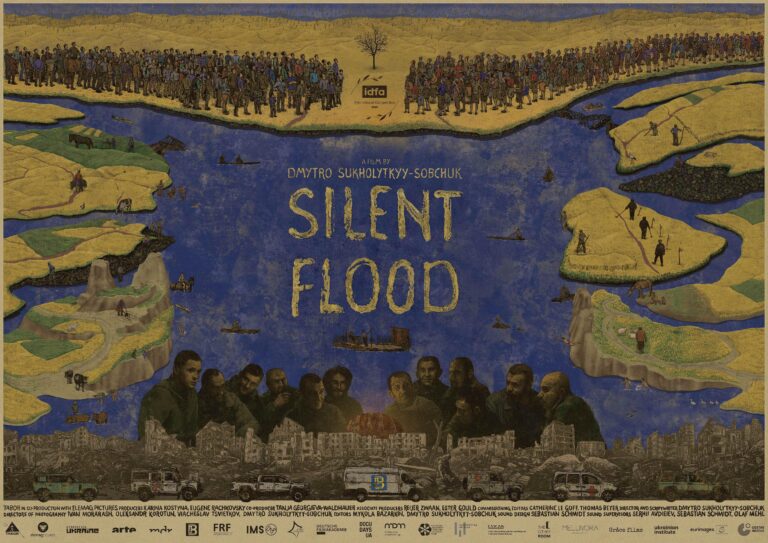
Silent Flood Dmytro Sukholytkyy-Sobchuk Highlights A scenery at a river, hard to grasp because of a dense fog that slowly is lifting, accompanied by old voices off screen telling stories from the past. Stories about bridges that took people from shore to shore but were bombed and destroyed during two wars. The first and the second WW. And never built up again. An amazing opening of a film, that is the filmmaker’s prologue to a film, like one rich painting turned into a film. I felt like I was in a museum going closer and closer to a painting to discover… from my review of the film at filmkommentaren.

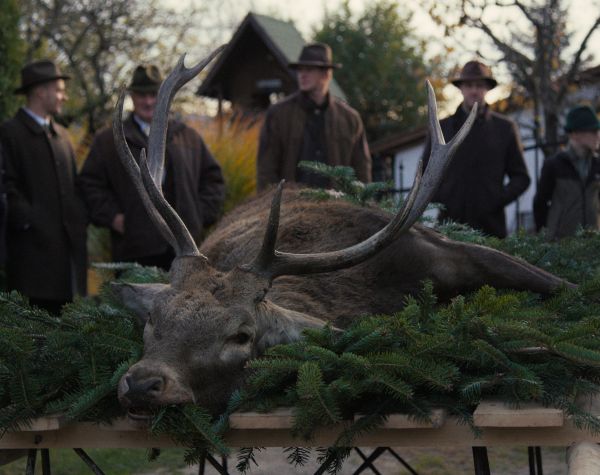
The Cord Nolwenn Hervé DOX Award A first-time female filmmaker, who lived many years in Latin America, it was shot in Venezuela. I wrote to the producer “It’s an impressive film. Because of Carolina. What a woman. And what she does! Compassion and practical help. I think the rhythm is fine, there is a nervous flow of energy in the editing that corresponds to her.” And CPH:DOX says “Drawing strength from a violent past, Carolina relentlessly preserves the vital cord between pregnant women and their babies.”

Urgent Appeal from the Serbian Film Community

Dear Members of the International Film Community,We are reaching out on behalf of the representative associations of Association of Film Producers of Serbia (UFPS), Serbian Film Directors’ Guild (AFRS), DokSerbia – Documentary Filmmakers of Serbia, Screenwriters Guild of Serbia (USA), Serbian Society of Cinematographers (SAS), Association of Film Artists of Serbia (UFUS), Union of Film Animators of Serbia (UFAS), Association of Film Actors of Serbia and Association of Film and Television Sound Designers of Serbia (UDZS) to inform you of the alarming situation of cinema in Serbia.The Serbian film industry is currently facing a coordinated campaign of state-sponsored censorship. While Film Center Serbia continues to project a “business as usual” image internationally, the reality is a total freeze on funding calls designed to starve independent production.Instead of supporting the industry, the Ministry of Culture exercises open hostility, publicly branding filmmakers as “anti-Serbian” and labeling cultural investment as “wasted” funds.Film Center Serbia has announced no public calls for more than 14 months, despite having funds allocated in their budget. By not doing so, it is openly breaking Serbian law. Political interference, informal blacklists of filmmakers, and public attacks on artists have become systemic. Domestic projects have been excluded from accessing the public tax incentives, while previously approved cash rebate obligations to local and foreign investors remain unpaid.Filmmakers vocally critical of the authorities are systematically denied access to public funding, regardless of their professional track record and international recognition. The leadership of film and cultural institutions has been handed to political appointees with no professional qualifications, whose primary function is to act as gatekeepers and censors.These practices represent a serious violation of artistic freedom, transparency, and the rule of law. We call on the international film community and the European public funding institutions to be fully aware of the current conditions in Serbia and to raise their concern until lawful, transparent, and independent institutional film practices are restored.We, Serbian filmmakers, urgently call on your solidarity and active support in defending artistic freedom and protecting the integrity of cinema in Serbia.Sincerely,Association of Film Producers of Serbia (UFPS)
Serbian Film Directors’ Guild (AFRS)
DokSerbia – Documentary Filmmakers of Serbia Screenwriters guild of Serbia (USS)
Serbian Society of Cinematographers (SAS)
Association of Film Artists of Serbia (UFUS)
Union of Film Animators of Serbia (UFAS)
Association of Film Actors of Serbia (UFGS)
Association of Film and Television Sound Designers of Serbia (UDZS)

Photo: Meeting of the Serbian film associations (photo by Djordje Arambašić)